Resort property as an asset class of the future: bridging the gap between living, working and travelling

The increasing flexibility of lifestyle and working models is bringing about lasting changes to the demands placed on property. Remote working, project-based stays and ‘workation’ concepts are leading to the boundaries between living, working and travelling becoming increasingly blurred. In this context, resort properties with integrated serviced apartments are becoming significantly more important. They combine the privacy and functionality of a private flat with the comfort of traditional hotel services, thereby capturing the spirit of the times for a mobile, discerning target group.
Clavis International recognised this trend at an early stage and develops property concepts geared towards stable, long-term demand. The increasing average length of stay and the trend towards flexible living arrangements clearly demonstrate that serviced apartments have long since established themselves as a distinct asset class. Of particular interest is the shift away from traditional city-centre locations towards locations close to nature that offer a high quality of life. Regions outside the major cities are increasingly benefiting from the demand for tranquillity, nature and, at the same time, well-connected infrastructure.
Modern resort concepts capitalise on this trend and combine different types of use within a holistic approach. Serviced apartments, boarding houses, hotels and traditional holiday properties merge with catering, wellness and leisure facilities to form a flexible, all-in-one product. This results in properties that appeal to holidaymakers as well as business travellers, remote workers and temporary residents. For investors, this means a broad target audience and significantly less dependence on seasonal fluctuations.
However, the success of such projects depends largely on well-thought-out and integrated development. Of particular importance here are the quality of the location, the utilisation concept and the operational structure, all of which must be closely interlinked from an early stage of the project. Clavis International pursues precisely this holistic approach and supports projects throughout the entire value chain – from analysis and conception through to marketing and the implementation of operations.
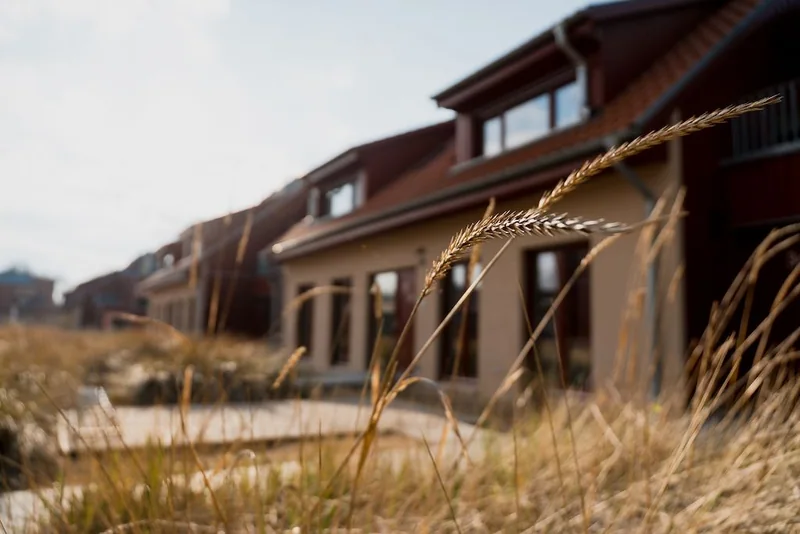
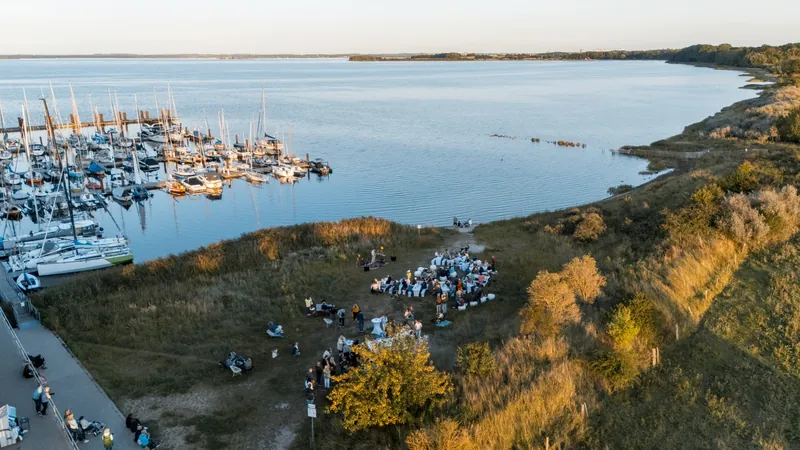
One example of a successfully established resort is the Bades Huk holiday resort on Wismar Bay. The complex combines high-quality architecture with a unique location in close proximity to nature, whilst remaining within easy reach of urban centres such as Wismar, Boltenhagen and Schwerin. The fully equipped beach apartments, complemented by wellness, dining and leisure facilities, create an environment that is attractive both to those seeking relaxation and to people looking for a temporary home base. The resort’s setting within a protected dune and natural landscape further emphasises the location’s special character.
For investors, resort properties such as those in Bades Huk offer an attractive combination of owner-occupation and capital investment. They enable flexible usage scenarios – ranging from traditional holiday stays and short breaks to long-stay and remote-working models – whilst also benefiting from growing demand for hybrid lifestyles and ways of working. As a result, resort properties are increasingly emerging as a stable and forward-looking asset class in the international property market.
Published on 16 April 2026